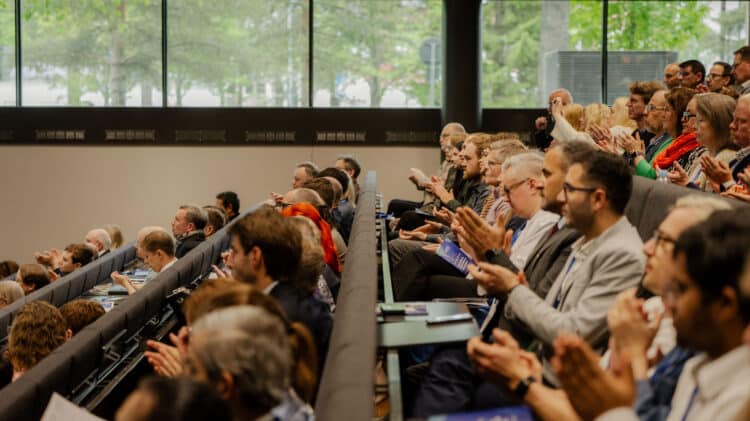
Nordic DigiHealth 2026 brought wireless research into the clinic
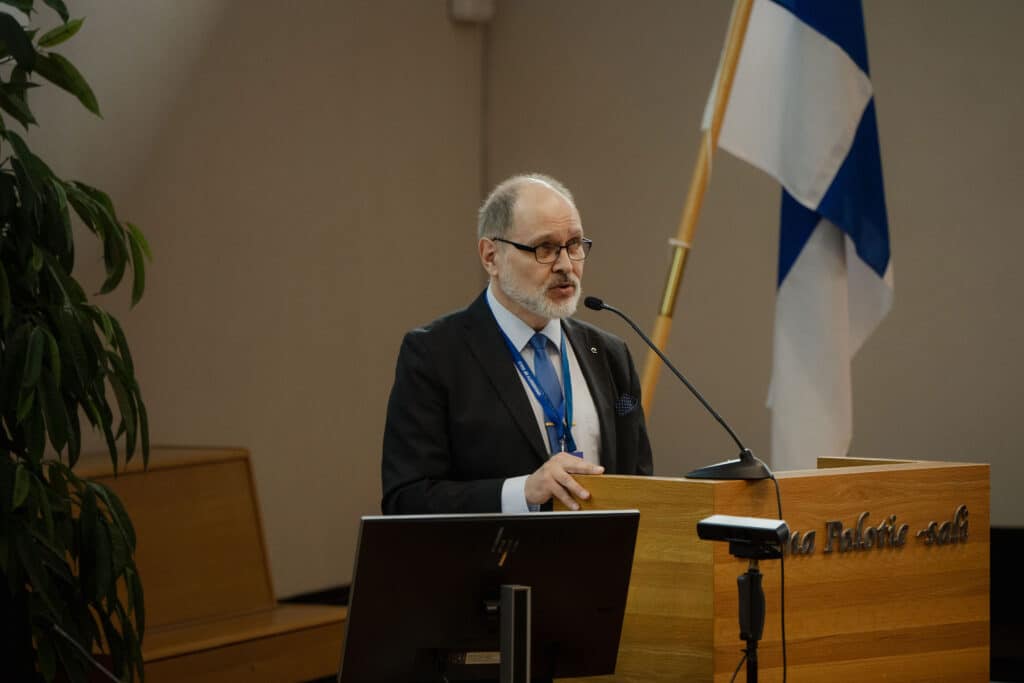
The Nordic Conference on Digital Health and Wireless Solutions met at the University of Oulu’s Kontinkangas campus on 16 and 17 June 2026, hosted by the university’s 6GESS and DigiHealth research programmes and opened by conference president Professor Jarmo Reponen. Speakers travelled from across Europe and beyond, from Catalonia to Johns Hopkins, Taiwan and Australia. Across two days they kept returning to the same problem. Building a digital health tool is rarely the hard part. The hard part comes later, when it has to win clinicians’ trust and keep working in everyday care.
Wireless sensing meets the clinic
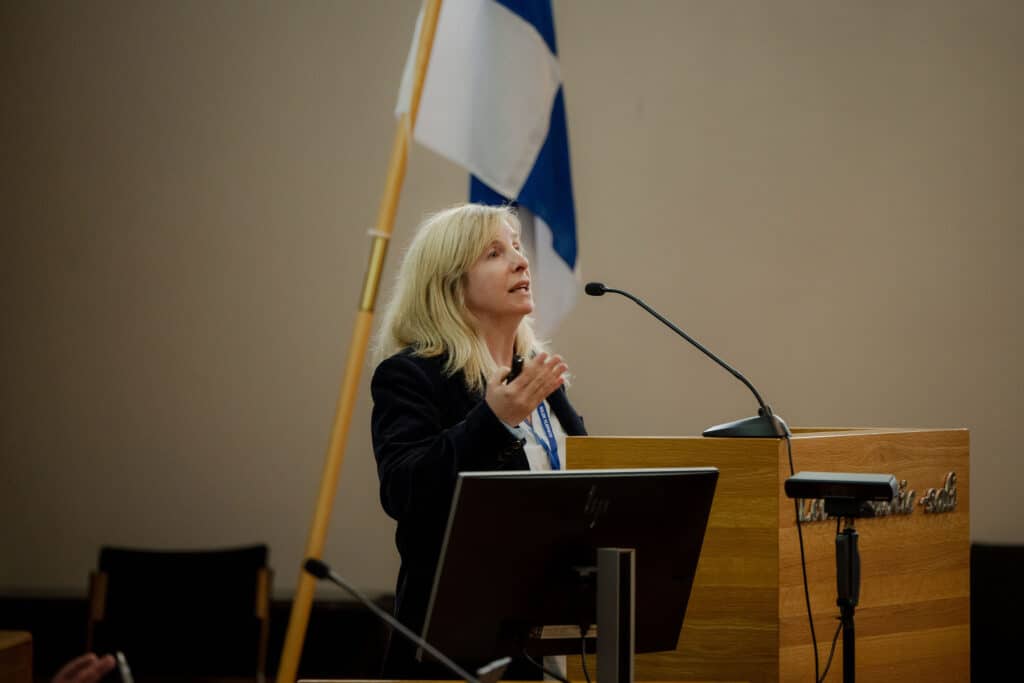
For a 6G research audience, two talks brought the wireless thread to the front. Professor Sandra Dudley of London South Bank University described networks that move from carrying data to sensing with it, an approach known as integrated sensing and communication. Her group’s microwave imaging returns a breast-screening result to a clinician within ten minutes. The same method is being adapted to tell haemorrhagic from ischaemic stroke, with early trials at Pisa University Hospital, and a third project uses radar to estimate walking speed and stride.
What these share is that the sensing runs over the wireless network, not inside a hospital. A result is only as good as the connection that carries it. Decisions on spectrum, network design, and security, Dudley argued, will decide whether a rural patient gets the same service as an urban one.
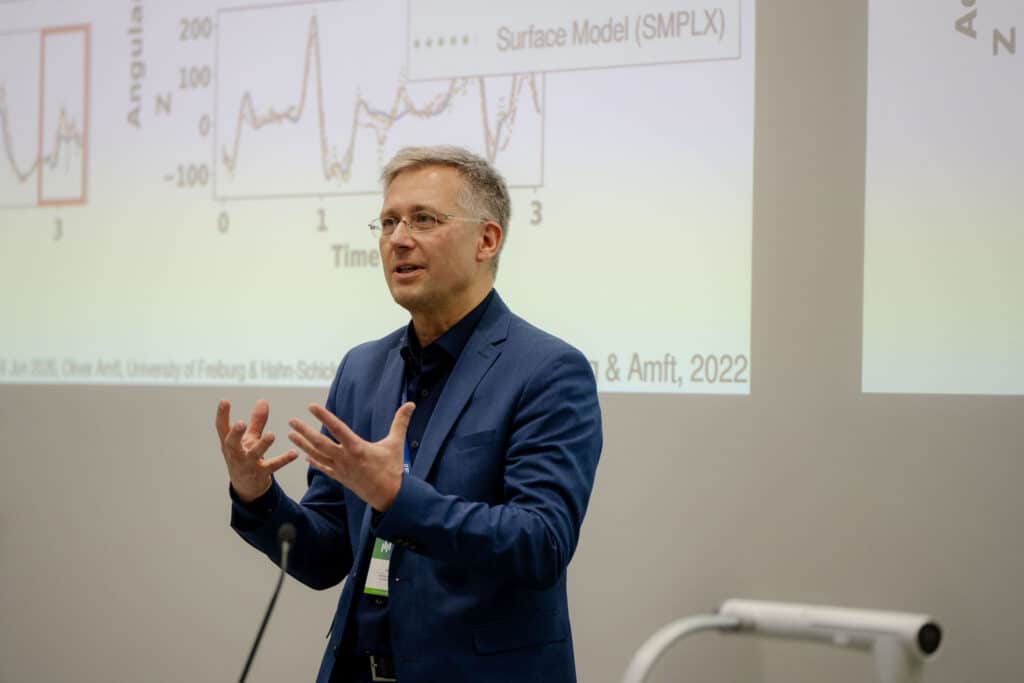
Professor Oliver Amft of the University of Freiburg made the case for testing wearable sensors in a virtual twin before they reach the body. Placement matters enormously. For some gait measurements the error ranges from negligible to as much as half depending on where the sensor sits. His group trains models on synthetic movement and carries the method into optical sensing, where he raised an equity point that recurred through the conference. Skin melanin affects optical heart-rate measurement, so a sensor that works on light skin can read poorly on dark skin unless it is designed not to.
Trust as the test
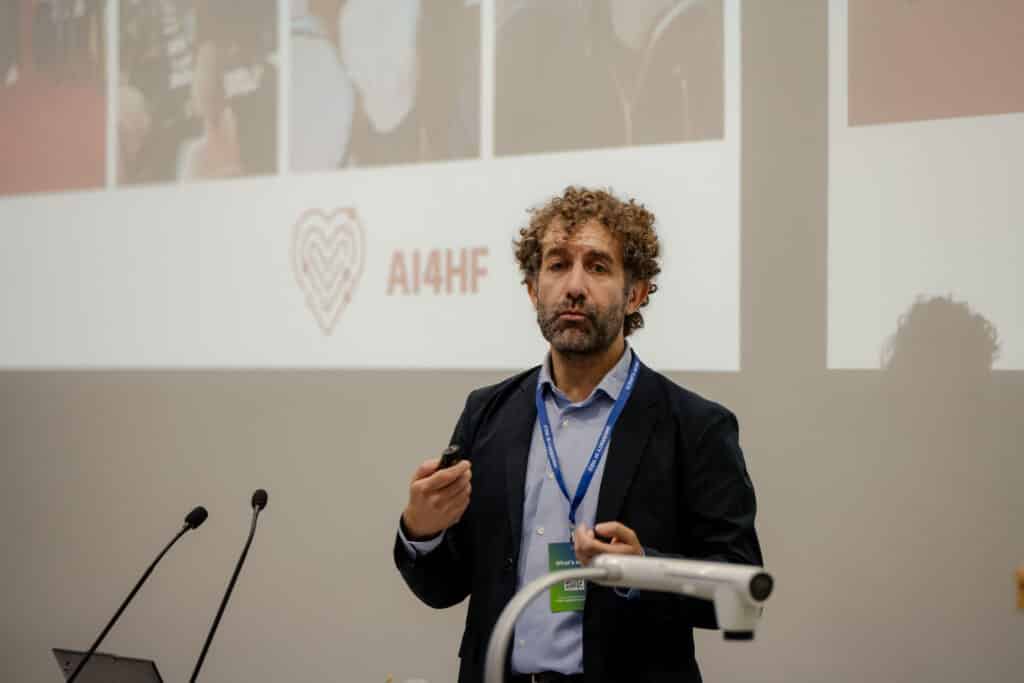
That concern, that a tool can perform well and still fail the people it is meant to serve, was the through-line of the event. Professor Karim Lekadir of the University of Barcelona built his talk around trust. He showed a breast-cancer algorithm that outperformed clinicians yet proved unfair when his group rebuilt it in Barcelona, reading worse for women with high-density breasts. Performance, he argued, is not the same as trustworthiness. His FUTURE-AI framework sets six requirements for a clinical tool, that it be fair, universal, traceable, usable, robust, and explainable.
Systems, not just tools
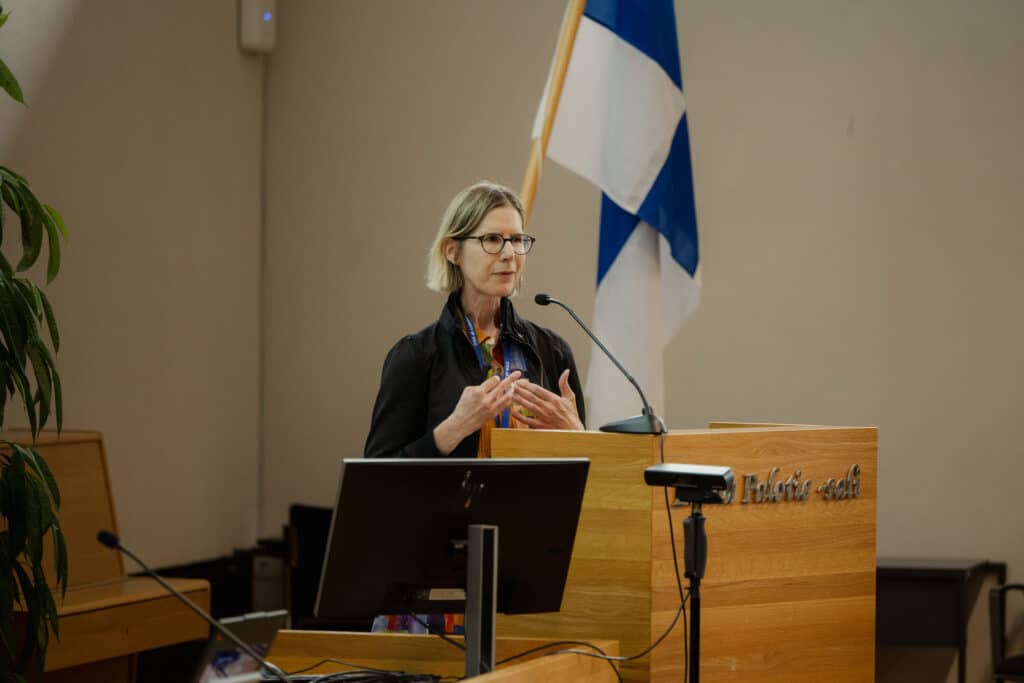
The systems questions ran alongside the technical ones. Professor Sabine Koch of Karolinska Institutet argued that a digital health service succeeds or fails on how it is designed and run, not on the technology itself. Professor Arild Faxvaag of NTNU treated the health system as his patient, and made the case for learning health systems that feed everyday care back into research.
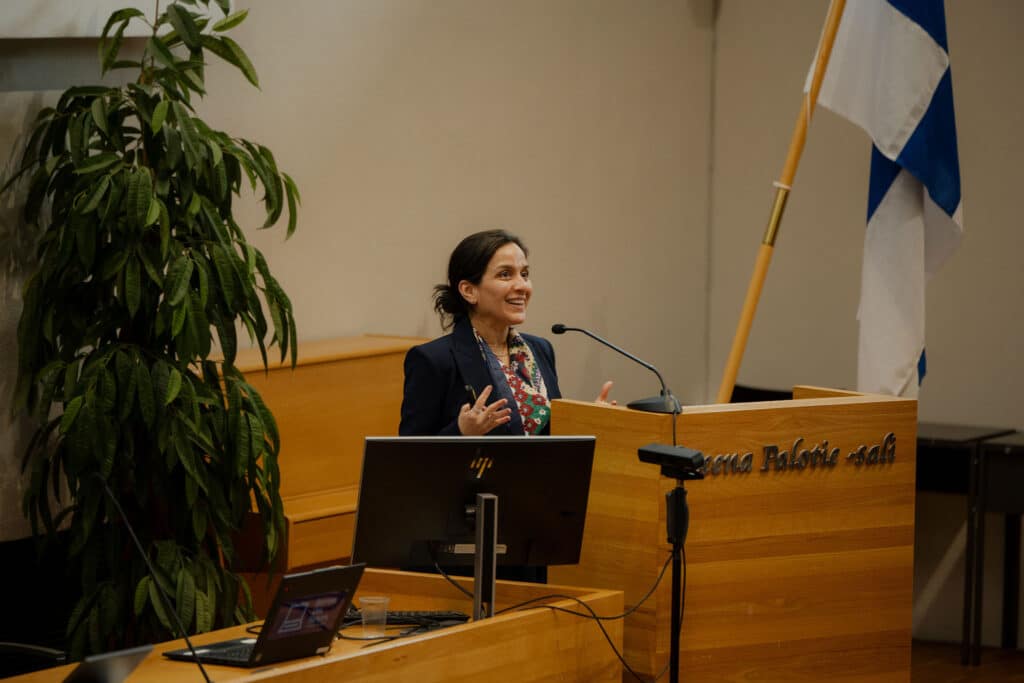
In the closing plenary, Associate Professor Smisha Agarwal of Johns Hopkins compared how countries at very different stages digitise primary care, from Rwanda to Finland, and warned that with any new technology, hope tends to run ahead of pragmatism.
The conference recognised its strongest submissions across abstracts, papers, and posters, several of them on wireless health technologies, digital twins, and secure architectures, the areas where 6GESS and the digital-health community most directly meet.
The full proceedings are published in three volumes by Springer, and a complete recap of the two days, including every invited speaker, is on the conference site.